Cultivating Leaders | Part 1. What separates a great leader from a good one isn’t title, tenure, or even talent — it’s a set of learnable disciplines most executives were never formally taught. This series gives you those disciplines: the neuroscience behind how you lead, practical tools for performing under pressure, and a framework for building lasting self-awareness, ethical authority, and communication that moves people.
The Leadership Foundation Most Executives Were Never Taught
For many senior executives — particularly men who have risen through performance-driven, results-first cultures — emotional intelligence can sound soft, optional, or even distracting. I would argue the opposite.
Emotional intelligence (EI), first defined by psychologists Peter Salovey and J. D. Mayer, is not about being emotional at work. It is about developing the disciplined awareness and control required to lead effectively under pressure, influence others ethically, and make sound decisions when the stakes are highest.
In my work with C-suite leaders and boards over four decades, I have seen this pattern repeat: it is not the absence of technical skill that derails otherwise successful executives. It is the absence of emotional intelligence.
Emotional Intelligence Is a Performance Capacity, Not a Personality Trait
That distinction matters. Emotional intelligence is not something you either have or do not have. It is a learnable discipline — a set of capacities that, when developed intentionally, directly affect culture, engagement, retention, and decision quality.
At its core, EI allows leaders to:
- Know themselves well enough to pause, think, and respond rather than react
- Regulate impulses, fear, and ego when pressure is highest
- Listen actively and empathize without losing authority
- Communicate in ways that build trust and alignment
- Lead from strength rather than fear or positional power
When leaders lack these capacities, predictable problems emerge: misuse of power, coercive influence, unhealthy egos, ethical blind spots, and cultures driven by fear rather than commitment. Over time, those patterns quietly erode performance — and by the time they are visible, the damage is already done.
What the Brain Tells Us About Leadership Behavior
One of the most important distinctions leaders must understand is how emotion operates before logic ever enters the picture.
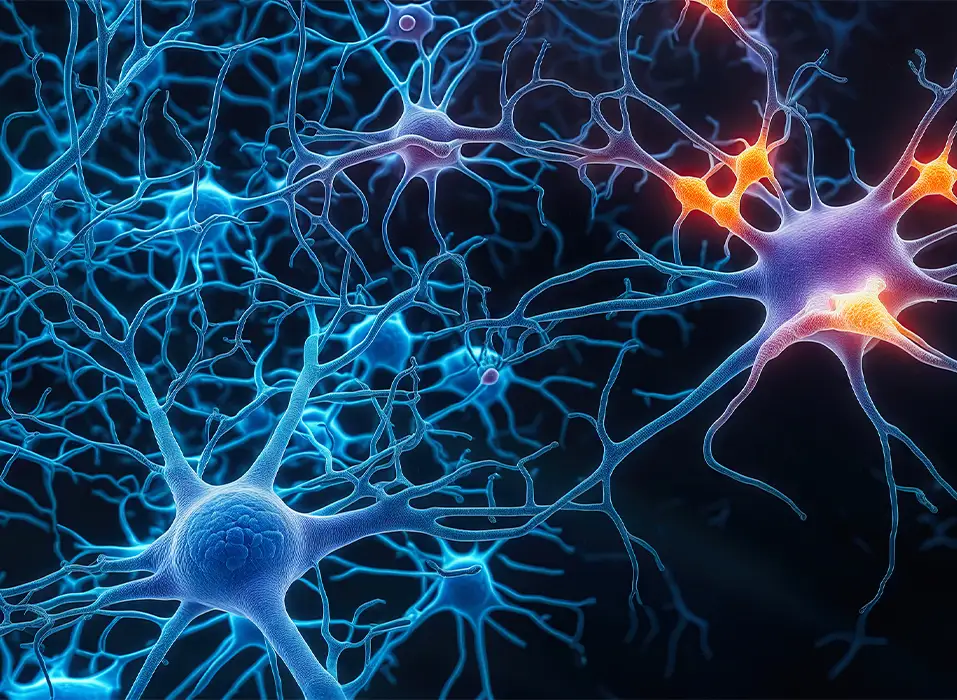
The brain’s amygdala assigns emotional meaning to experience before conscious awareness engages. It responds within milliseconds — well before rational thought can intercede. And it does so in one of two ways:
Survival emotions — fear, anger, shame, guilt, and doubt — trigger a fight, flight, or freeze response. These emotions release cortisol, narrow thinking, suppress creativity, and deplete psychological energy. A leader operating from survival mode does not just harm themselves. They activate survival responses in everyone around them.
Attachment emotions — trust, safety, confidence, and genuine engagement — release dopamine and oxytocin. These support learning, collaboration, resilience, and the kind of discretionary effort that cannot be mandated.
Leaders unintentionally activate one system or the other every single day — through tone, timing, language, and behavior. Cultures do not fail because of strategy alone. They fail because leaders unknowingly keep people in survival mode.
Why This Is Especially Important for Male Leaders
Many men are conditioned early in their careers to suppress emotion in favor of logic and speed. The intention is competence. The unintended consequence is reactivity.
Effective leadership requires the ability to slow interactions down — not to indulge emotion, but to integrate feeling and thought. That pause is what allows executives to read a room accurately, regulate their own responses, and choose influence over force.
Emotional intelligence does not weaken authority. It strengthens it — by replacing fear-based control with clarity, credibility, and trust.
The Practical Disciplines of Emotional Mastery
In Cultivating Leaders, I outline the specific capacities executives must develop to lead with emotional intelligence. They include:
- Distinguishing emotion from information in high-stakes decision-making
- Limiting ego surges through structured self-awareness and reflection
- Using temperament knowledge and mental processes to problem-solve collaboratively
- Avoiding coercive and positional power traps that undermine trust
- Increasing personal power through ethical influence rather than authority
- Building the resilience and steadiness required to lead through volatility and change
Each of these is a discipline, not a disposition. They are developed through practice, reflection, and — in most cases — the structured challenge that only an outside perspective can provide.
When these capacities are underdeveloped, leadership potential is constrained at the precise moments it is most needed. When they are cultivated, leaders gain access to the full human dimension of performance — both their own and that of the people they lead.
Emotional Intelligence as the Starting Point
Every chapter of Cultivating Leaders builds on what comes before. Self-awareness, mindfulness, temperament, ego, power, influence, resilience — all of it is grounded in the foundational capacity to recognize, regulate, and direct emotion with discipline and intention.
That is where this series begins.
Ready to develop your leadership practice? Contact Peter J. Dean, Ph.D., at Leaders by Design to explore executive coaching that addresses the themes in this series.
Cultivating Leaders | Part 2. In the next chapter, Self-Awareness: The Executive’s Competitive Advantage, I explore why even the most accomplished executives eventually plateau. Blind spots, ego protection, and low feedback tolerance don’t announce themselves — they quietly erode the authority leaders have spent years building. Discover why self-awareness may be the most underestimated competitive advantage in the C-suite.
About This Series
Cultivating Leaders
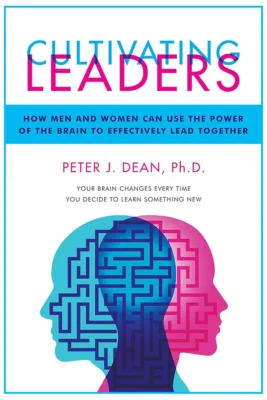
Cultivating Leaders: A chapter-by-chapter leadership series from executive coach and leadership scholar Peter J. Dean, Ph.D., draws on more than forty years of coaching C-suite executives to reveal how the brain shapes — and constrains — the way we lead. This blog series brings those insights to life one chapter at a time.
Each post goes beyond theory. You’ll find the neuroscience behind executive behavior, practical disciplines for leading under pressure, and a clear framework for building the self-awareness, ethical authority, and communication skills that distinguish great leaders from merely good ones.